
DC fast charging technology built
ELECREST combines protected thermal design, modular service architecture and connected diagnostics to improve charger reliability throughout its operating life.
When a charger stops The cost keeps running
Outdoor exposure, difficult fault diagnosis and slow field service can turn a single issue into prolonged downtime. For charge point operators, that means more technician hours, fewer completed charging sessions and less predictable network availability.

Add Your Heading Text Here
Lorem ipsum dolor sit amet, consectetur adipiscing elit. Ut elit tellus, luctus nec ullamcorper mattis, pulvinar dapibus leo.
Add Your Heading Text Here
Lorem ipsum dolor sit amet, consectetur adipiscing elit. Ut elit tellus, luctus nec ullamcorper mattis, pulvinar dapibus leo.
Add Your Heading Text Here
Lorem ipsum dolor sit amet, consectetur adipiscing elit. Ut elit tellus, luctus nec ullamcorper mattis, pulvinar dapibus leo.
Three technologies for more reliable serviceable DC charging.
Isolated airflow cooling protects critical electronics from the external environment. A modular 3-Box architecture shortens the path from fault to replacement. AI-assisted operations and maintenance give service teams clearer data for remote diagnosis and targeted intervention.
01 / ENVIRONMENTAL PROTECTION
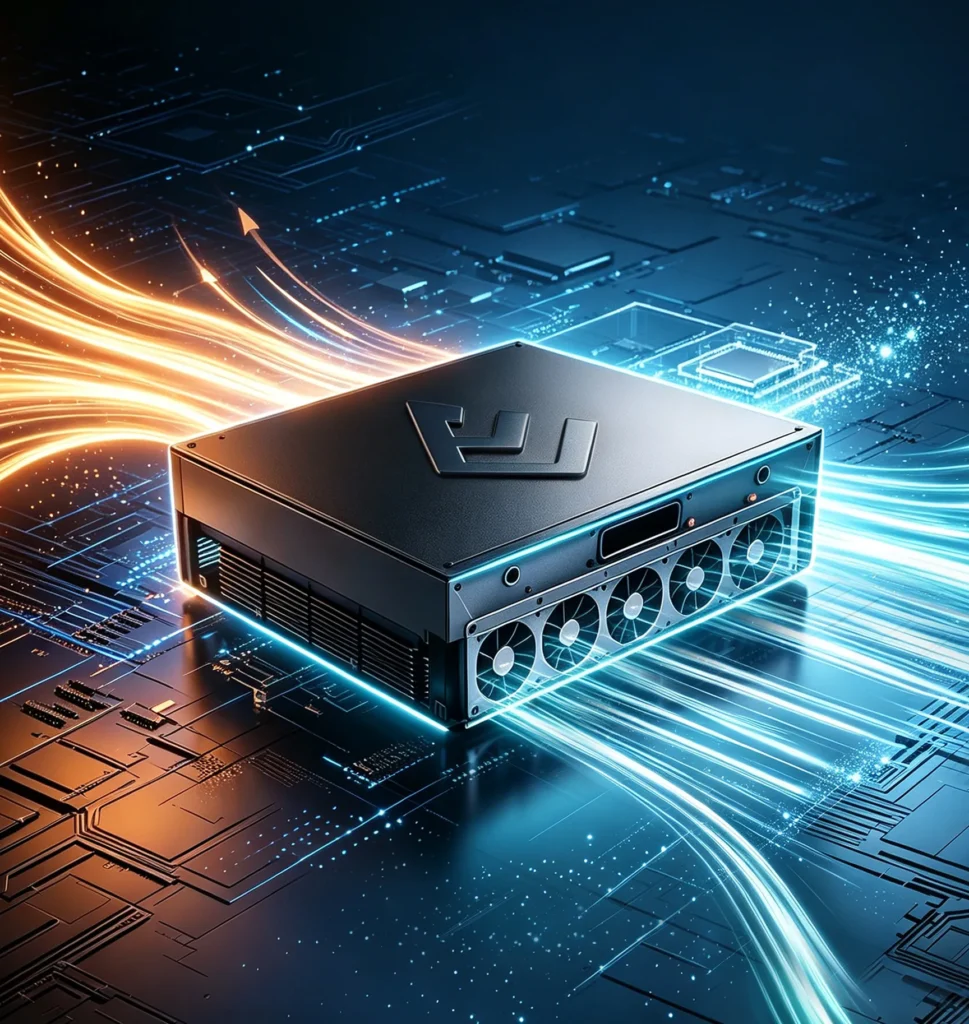
Isolated airflow cooling module
Critical power electronics are housed in a sealed upper compartment, while a separate lower airflow path removes heat through the heat sink. This keeps external cooling air away from sensitive PCBs and supports stable operation under continuous high load.
Critical electronics isolated from external airflow
Controlled thermal performance under high load
Rated operating noise of 55 dB or below
02 / MODULAR SERVICE
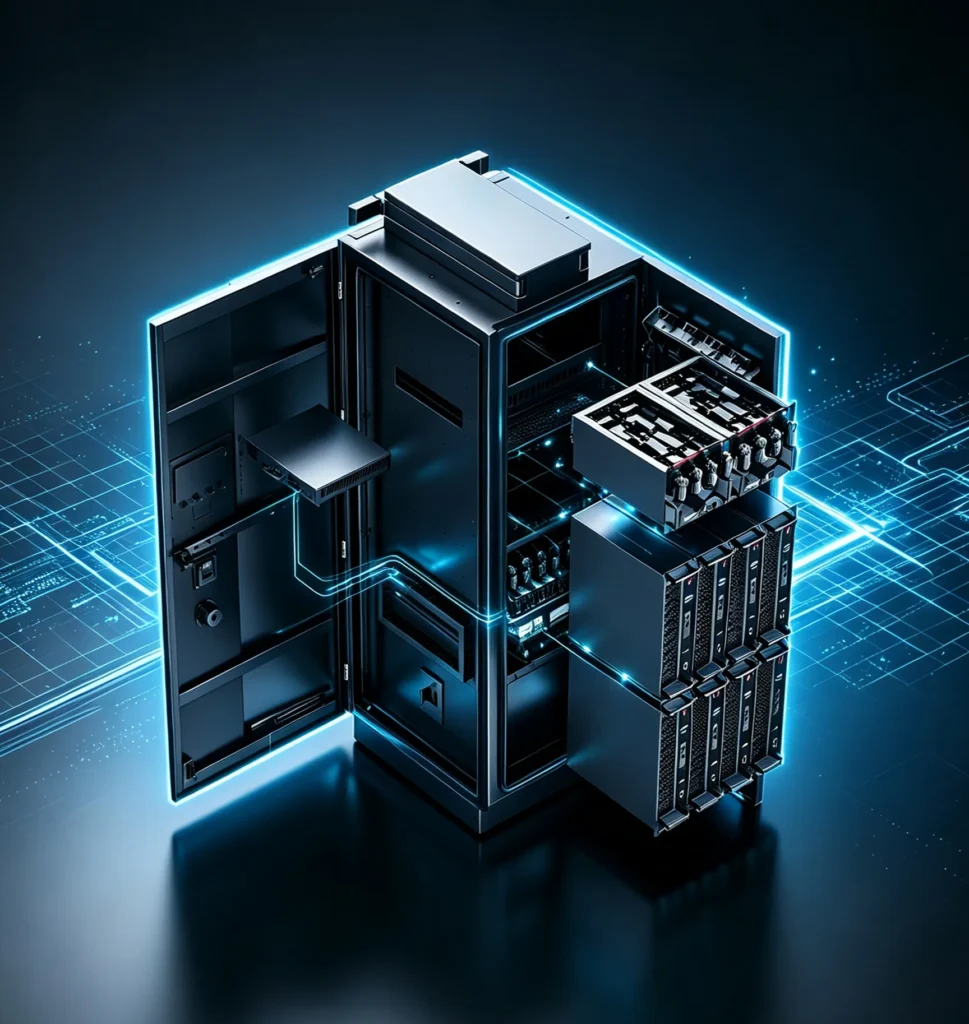
3-Box Plug-in Architecture
Power, control and communication functions are separated into three defined functional modules. This limits the fault domain and allows trained service personnel to replace the affected module instead of dismantling or replacing the complete charger.
Locate the affected functional module
Swap the module, not the charger
Complete the checks and return to service
03 / CONNECTED OPERATIONS
Ai operations & maintenance
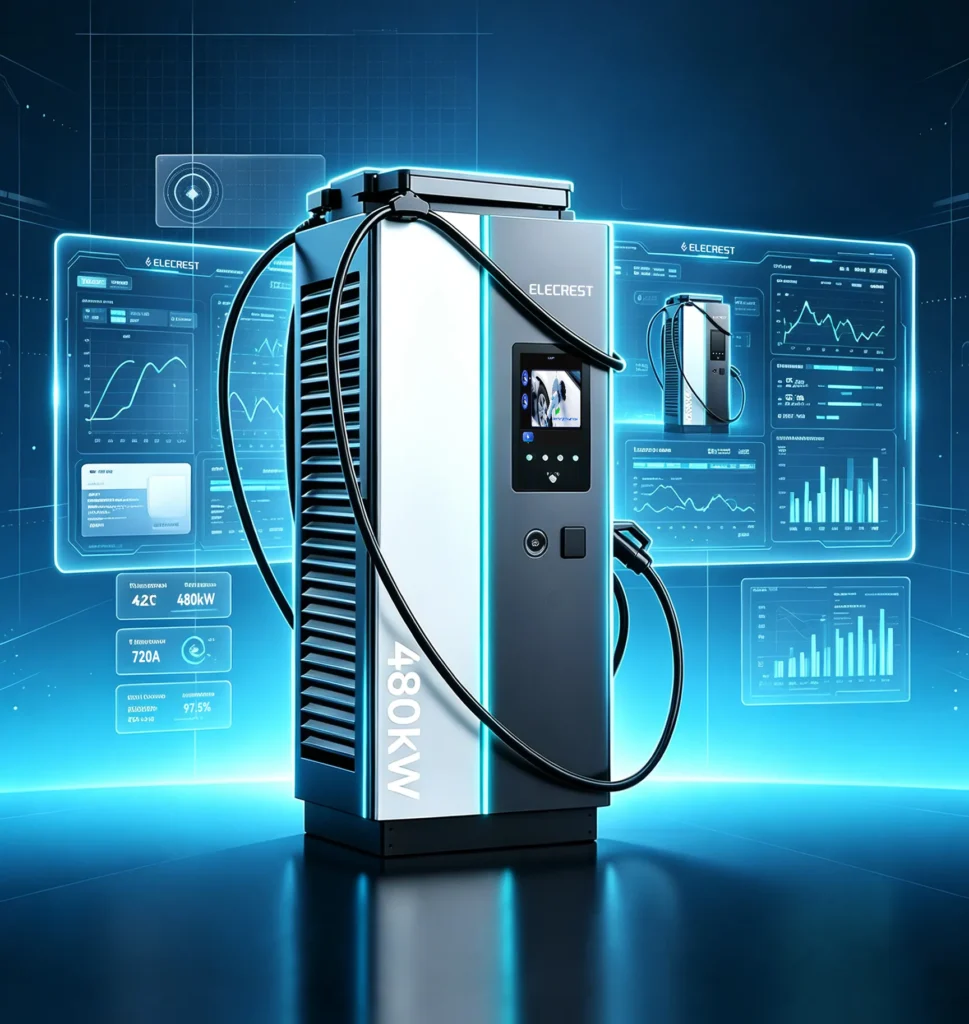
Device- and platform-level monitoring collects key operating data, including module temperature, voltage and current. AI-assisted diagnostics help identify abnormal conditions, narrow the fault location and support remote action before a site visit is arranged.
This helps operators move from reactive repair towards more predictive maintenance.
Track critical operating data
Narrow faults to module or component level
Resolve remotely or plan a targeted site visit
Measure what faster recoveryis worth to your network.
The commercial value of a maintainable DC fast charger can be measured in labour hours, repair duration, charging revenue and availability. Use your own operating data to estimate the effect across one charger or an entire charging network.
Reduce time spent on diagnosis, repeat visits and on-site repairs.
Remote diagnosis and modular replacement help restore charging sooner.
Fewer downtime hours keep more charging capacity available to customers.
More predictable maintenance supports uptime targets and service commitments.